Podcast Explorer
Any timePast weekPast monthPast year

7 subjects for “raising venture capital”

11:53

Venture Capital Basics and Health

Published Aug 6, 2025

The state of VC within software and AI startups – with Peter Walker

The conversation opens with an explanation of what venture capital is, its relationship to private equity, and examples like the MAG 7 companies. They discuss differences between VC-funded and non-VC-funded companies, focusing on the mandate for expansive growth, and the host shares an Uber anecdote about losing money on every ride while growing. Peter explains that while total VC dollars look healthy, the number of rounds raised has declined every year since 2021, driven by higher growth benchmarks and more companies choosing not to take VC by default.
14:12

Fundraising Strategies

Published Jun 9, 2024

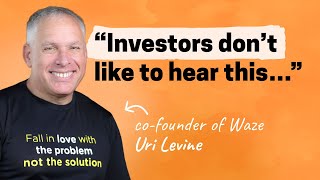
Lessons from a 2-time unicorn builder, 50-time startup advisor and 20-time board member | Uri Levine

Uri shares raising ~$50M for Waze leanly, advising CEOs pitch alone with emotional stories starting/ending strong, as VCs decide in seconds. First slide (title) and last (thank you) get longest views—put strongest point there. Expect 100 nos (1% yes rate); use details for authenticity. Microwave gift card story example: detailed personal anecdote secured investment. Dance of 100 nos: excuses abound; move on, don't argue.

14:30

Startup Lifecycle: Longer Rounds and Fundraising Seasonality

Published Aug 6, 2025

The state of VC within software and AI startups – with Peter Walker

Peter shows that median time between funding rounds has stretched well beyond the old 18-24 month rule: now around 2.5 years from seed to Series A and nearly 3 years from Series A to B. Founders must make their money last longer, driven both by companies that can't raise and companies choosing not to raise—posing a challenge for VCs whose best companies no longer need them. The discussion also covers fundraising seasonality: deals can be raised in summer (countering the VC-vacation stereotype), January is the worst month for signed deals, and due diligence is taking longer as VCs ask more questions. They close with advice for thriving at startups—player-coach engineering leaders, a Swiss Army knife skill set, and the value of strong networks like the PayPal and Airbnb mafias.

6:51

Founding HashiCorp and Choosing VC

Published Feb 25, 2026

Mitchell Hashimoto’s new way of writing code

HashiCorp wasn't founded to commercialize Vagrant. Mitchell and Armon had built rough prototypes of service discovery and an early Terraform called Launchy at a mobile ads startup in San Francisco. At startup meetups, Mitchell noticed everyone was cloud-first and hitting the same problems their prototypes solved, prompting them to start the company. Mitchell self-funded with $20,000 and took no salary for six months; Armon joined after six months and they raised VC. Bootstrapping would have taken a decade to build the full vision, and the fast-moving cloud window meant speed mattered. The founding plan included Terraform, Consul, and more (everything but Vault).

2:07

Company Success and Funding Choices

Published Dec 17, 2023

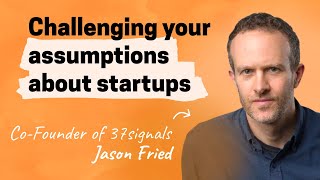
Jason Fried challenges your thinking on fundraising, goals, growth, and more

Jason shares 37signals' success: double-digit million profits annually for 10 years, 100,000+ paying customers, and 75 employees, emphasizing profits over revenue metrics. He contrasts this with VC paths that prioritize growth over profitability. The discussion highlights small team efficiency and healthy margins enabling experimentation.

7:27

Valuations, SAFEs, and Market Froth

Published Aug 6, 2025

The state of VC within software and AI startups – with Peter Walker

Peter explains the difference between priced rounds and SAFEs (simple agreements for future equity), an instrument popularized by Y Combinator, and how YC's standard deal works (roughly $500K for 7%). They discuss why founders raise at high valuations despite the risks, the current median US seed pre-money valuation of about $16 million, and how 2021's froth (zero interest rates, pandemic surplus, best-ever job market) contrasts with the current split market where AI companies are hot and non-AI companies are stuck in a downturn. Peter notes the pattern applies across all startup roles—AI experience gives a distinct advantage in the job market.

13:23

Transparent Collective Nonprofit

Published Jan 12, 2025

How to build your product team from scratch, attract top product talent, go multi-product, and more

Rohini co-founded Transparent Collective, a 501(c)(3) nonprofit aiding underrepresented founders with resources, connections, and fundraising prep. Started from personal struggles raising in Midwest vs. coasts; shares tribal knowledge. Key program: annual SF bootcamp for 8-10 selected from 200+ apps, covering mentoring, workshops, mock pitches; covers all costs. Impact: 90+ alumni, 65-70% raised VC (total $125M seed/early), 10% acquired. Apply or donate at transparentcollective.com.